

The Allure of Chance
The foundation of casino games lies in the concept of chance, which taps into a primal human attraction to unpredictability and risk. This allure is deeply rooted in our psychology; the excitement of the unknown stimulates the brain, leading to the release of dopamine, a neurotransmitter associated with pleasure and reward. When players experience the tension of potentially winning, they engage in a complex interplay of anticipation and desire, especially when they consider options like neosurf casino instant withdrawal that can enhance their overall experience, heightening their enjoyment of the game. The thrill is not merely about the outcome but also about the journey and the emotions tied to each gamble.
Moreover, the element of chance fosters a unique environment where players can momentarily escape reality. For many, gambling becomes a thrilling distraction from everyday life, allowing them to indulge in fantasies of wealth and success. This escapism can be particularly appealing during stressful times, as the immersive experience of casino games transports individuals to a world filled with possibilities. It is this combination of thrill and diversion that makes casino games irresistible for many, providing not just entertainment but a temporary reprieve from life’s challenges.
Psychological studies suggest that players often overestimate their chances of winning, a phenomenon known as cognitive bias. This leads to a chronic underestimation of the risks involved in gambling. The reinforcement of winning streaks, however infrequent, bolsters this belief and keeps players returning for more, drawn by the hope that fortune will smile upon them again. Consequently, the psychological dynamics of chance create a never-ending loop of engagement for many casino-goers, as they continuously chase the exhilarating highs that come with each game.
The Social Dynamics of Gambling
Casino environments foster social interactions that can significantly affect players’ experiences and decisions. The communal nature of many games, such as poker or blackjack, introduces a social element that enhances the enjoyment of gambling. Players often engage in conversations, celebrate wins together, and share in the tension of the game, all of which create a sense of camaraderie. This social aspect can heighten the emotional stakes involved, pushing individuals to gamble more and engage in riskier behavior, as they seek validation and excitement within their social circles.
Furthermore, the presence of others can create a sense of competition that fuels the desire to prove oneself. Players may feel pressure to maintain their status among peers, leading them to take greater risks or play longer than they initially intended. This social competition, combined with the thrill of shared experiences, can transform a simple game into an immersive social occasion that keeps players entangled in the casino’s web. The shared energy of the environment can amplify emotions, making every win feel more significant and every loss more poignant.
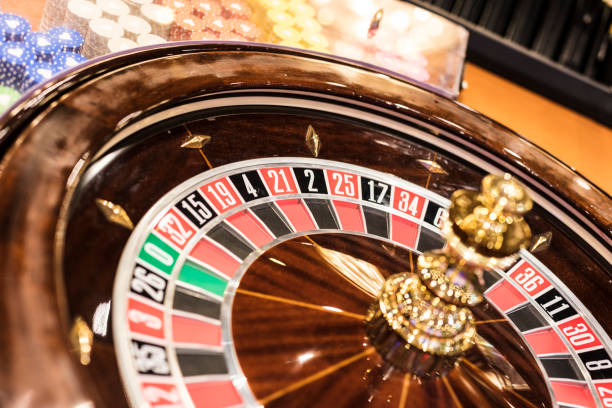
Additionally, casinos often employ psychological strategies to enhance social engagement. The layout, décor, and soundscapes are designed to promote prolonged interaction and immersion. For instance, the sounds of coins falling or the excitement expressed by nearby players can create an atmosphere of victory and excitement. This curated environment encourages players to stay longer, engaging in both gambling and social connections, thus perpetuating the cycle of play and the emotional highs tied to social interaction. The design of these spaces is meticulously crafted to keep players engaged not just with the games, but with each other.
The Role of Marketing and Environment
The casino industry is adept at employing psychological principles in their marketing strategies and the design of the gaming environment. Bright lights, vibrant colors, and enticing sounds work in unison to create an atmosphere of excitement and possibility. These sensory elements are intentionally designed to stimulate players’ emotions and encourage them to immerse themselves in the experience, often leading them to lose track of time and money. Within this carefully crafted environment, casinos manipulate feelings of pleasure and excitement, drawing players deeper into their gaming ecosystem, where the allure of chance is ever-present.
Furthermore, frequent promotional offers and loyalty programs exploit the human desire for reward and recognition. The psychology of scarcity plays a crucial role here, as limited-time promotions create urgency, compelling players to act quickly to take advantage of perceived opportunities. This strategy can lead to impulsive decision-making, pushing individuals to gamble more than they intended in hopes of reaping the rewards offered by the casino. The allure of exclusive bonuses and rewards can foster a sense of belonging, making players feel valued and incentivized to return.
The strategic placement of high-stakes games near entrances and popular attractions also plays into the psychological effects of environment. By placing these games where they are most visible, casinos draw attention to their potential for big wins, even if the odds are not in favor of the player. This positioning manipulates the player’s perception of success and can lead to increased engagement, as players feel compelled to try their luck in hopes of striking it rich. The entire casino experience is a carefully orchestrated symphony of sights and sounds designed to enhance the thrill of risk.
Addiction and Compulsive Behavior
The thrill of casino games can sometimes spiral into addiction, as the psychology of risk and reward can be overwhelmingly powerful. For some individuals, the excitement of gambling can lead to compulsive behavior characterized by repeated engagement despite negative consequences. This behavioral pattern is often fueled by psychological factors such as the need for excitement, feelings of emptiness, or unresolved emotional issues. Understanding these underlying motivations is crucial for addressing gambling addiction effectively, as they can offer insights into why some individuals struggle more than others.

Research demonstrates that certain personality traits, such as impulsiveness and a high need for sensation, are more prevalent among those who develop gambling problems. Coupled with the psychological reinforcement of wins and near-wins, these traits can create a perfect storm for addiction. As players chase losses and seek to recreate the excitement of their last win, they may find themselves trapped in a cycle of gambling that is increasingly difficult to escape. Recognizing these patterns is an essential step toward recovery and responsible gaming.
Addressing gambling addiction requires a multifaceted approach, including psychological support, behavioral therapy, and community resources. It’s essential for individuals to recognize the signs of problematic gambling early on and seek help. Creating awareness around the psychological mechanics of gambling can empower players to make informed choices and understand the potential consequences of their actions. Encouraging responsible gambling practices is vital in mitigating the risks associated with the psychological draw of casino games, as knowledge and support can pave the way for healthier relationships with gambling.
Your Resource for Responsible Gaming
Understanding the psychology behind casino games not only enriches our comprehension of this entertainment form but also emphasizes the importance of responsible gaming practices. Our website serves as a valuable resource for individuals looking to explore the complexities of gambling psychology while promoting safe play strategies. We provide insights into the dynamics of gambling, the impact of environment, and the social factors that influence player behavior, creating a well-rounded understanding of the gaming landscape.
By raising awareness about the psychological elements of casino games, we empower players to engage with this form of entertainment more mindfully. Our commitment to responsible gaming includes offering tools and resources that encourage self-awareness and informed decision-making among players. Whether you are a casual gamer or a seasoned player, understanding the psychological underpinnings of gambling can enhance your overall experience while minimizing risks associated with gambling.
Join us in fostering a culture of mindful gambling. We invite you to explore our comprehensive articles, expert insights, and community discussions, all designed to equip you with the knowledge and tools necessary to navigate the world of casino games responsibly. Your journey into the psychology of gambling awaits, providing you with the opportunity to engage thoughtfully and enjoy the exciting world of gaming without losing sight of your well-being.
