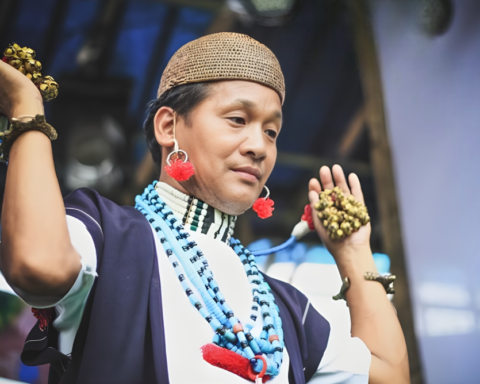

Itanagar: In a major step towards acknowledging indigenous contributions to India’s freedom struggle, the Tirap district administration has officially recognised two Nocte tribal leaders — Wangto Lowang and Wangmaan Lowangdong — for their resistance against British colonial expansion in the 19th century.
The formal recognition, issued by the deputy commissioner’s office on June 27, records the valiant roles played by the two chiefs in leading their communities against colonial forces during pivotal historical confrontations in 1842 and 1875.
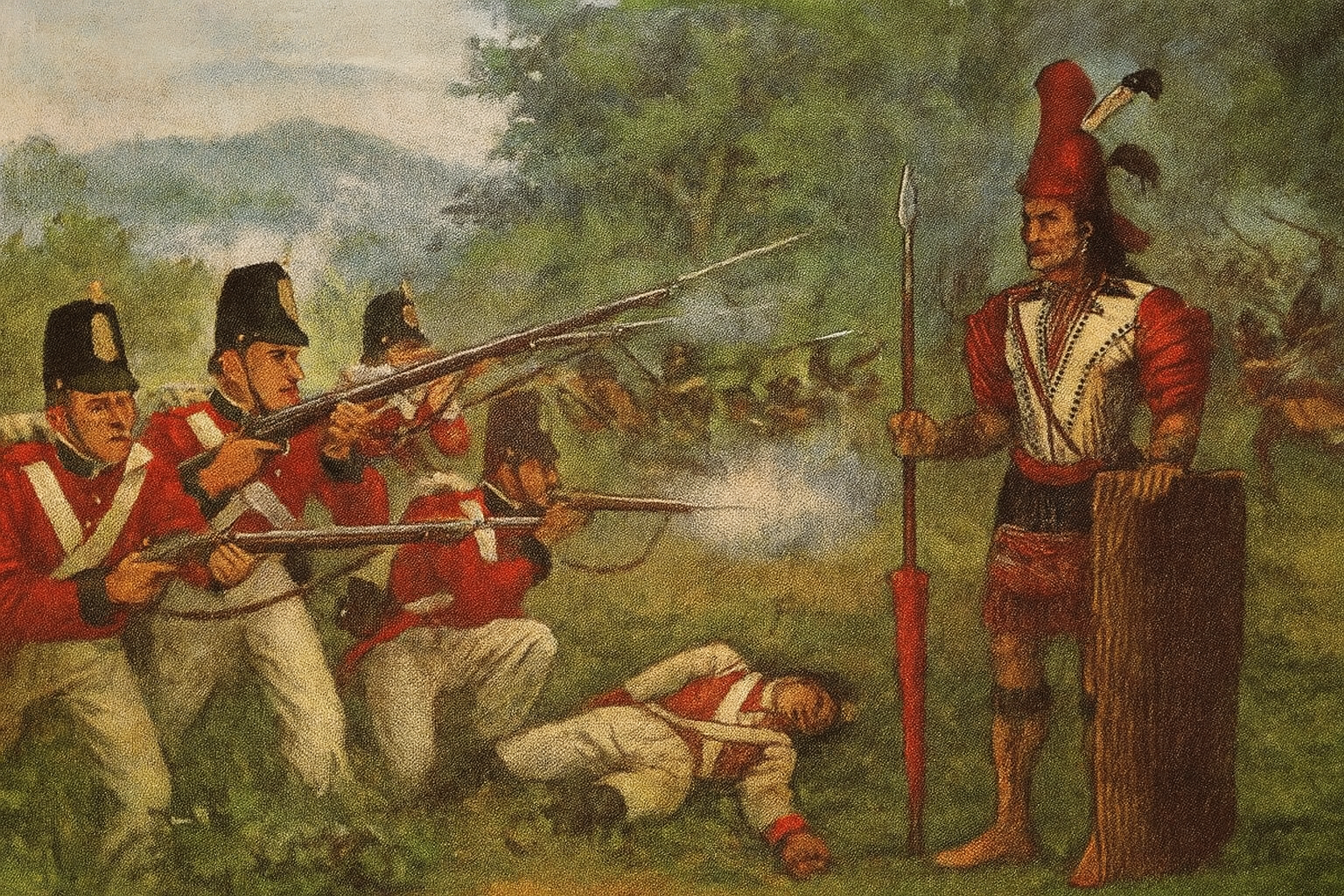
Wangto, then chief of Kheti village, led the Anglo-Nocte War of 1842. The conflict began on November 25 that year when Captain J Brodie, then sub-assistant of Sibsagar, Assam, led a detachment to challenge the local sovereign authority.
One British soldier was killed and four injured in the encounter, prompting a retaliatory expedition by British forces comprising the Assam Light Infantry, 2nd Sebundies, and Local Artillery.
Despite a valiant resistance, Wangto and his people were ultimately forced to abandon their village, which was subsequently burned down by the British. An outpost was later established in nearby Khela to deter future resistance.
Similarly, Wangmaan, then chief of Borduria village, was recognised for his role in the Nocte resistance of 1875. The conflict was triggered by a British attempt to annex the Namsang and Hukanjuri tea gardens and surrounding lands.
Although Wangmaan refrained from direct attack to avoid civilian suffering, he reportedly orchestrated a covert retaliation by coercing allied villagers into ambushing a British survey party led by Lieutenant Holcombe. The incident led to the Anglo-Wancho War and the subsequent annexation of the disputed territory by the British on May 18, 1875.
The recognition was made possible through archival research by Wangtum H Lowang, director of Nocte Digest and member secretary of the sub-committee on Unsung Heroes of Arunachal Pradesh. The documentation, retrieved from the National Archives of India, helped establish the historical importance of the two tribal leaders.
“These two events represent not only the courage and leadership of the Nocte people but also a broader narrative of indigenous resistance that has long remained underrepresented in mainstream history,” said Techu Aran, deputy commissioner of Tirap.
The contributions of Wangto Lowang and Wangmaan Lowangdong will now be officially recorded in district archives and referenced in educational curricula and commemorative initiatives.
Government departments and educational institutions have been advised to support the preservation and dissemination of this vital chapter of regional history.
Also read: India’s kiwi wine queen, Tage Rita Takhe, selected for Vital Voices Global Fellowship